



.png)
Research report
AI Does Not Remove the Bottleneck
Find your real workflow constraints before buying AI tools.
We design digital products by connecting user needs, business goals and engineering realities from discovery through delivery.
Clients we've worked with
Digital products designed around real users, workflows and business requirements.
 A creator-tools startupValidating the product before funding the buildA rapid concept workshop that checked every platform assumption against the real API docs — and corrected several of them.10 daysfrom first workshop to a fundable, build-ready packageRead the case
 A US remote-monitoring healthtechSupporting rehabilitation after dischargeRemote therapeutic monitoring built so the billing qualification cannot be faked, with an AI care plan no patient sees unapproved.15 mina day for a physician to review a full patient panelRead the case
 A UK e-prescription startupBuilding an e-prescription platform around trust, access, and scale.Clinic management and electronic prescribing with eIDAS-compliant signatures, and a pharmacy lookup that needs no account at all.16 wksfrom kickoff to a launch-ready platformRead the case
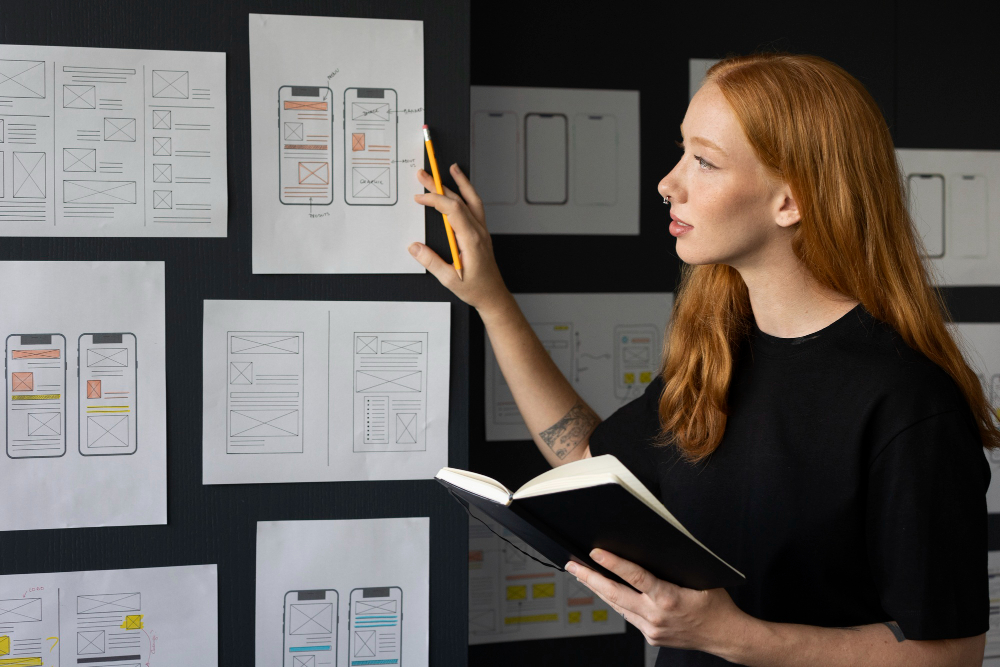
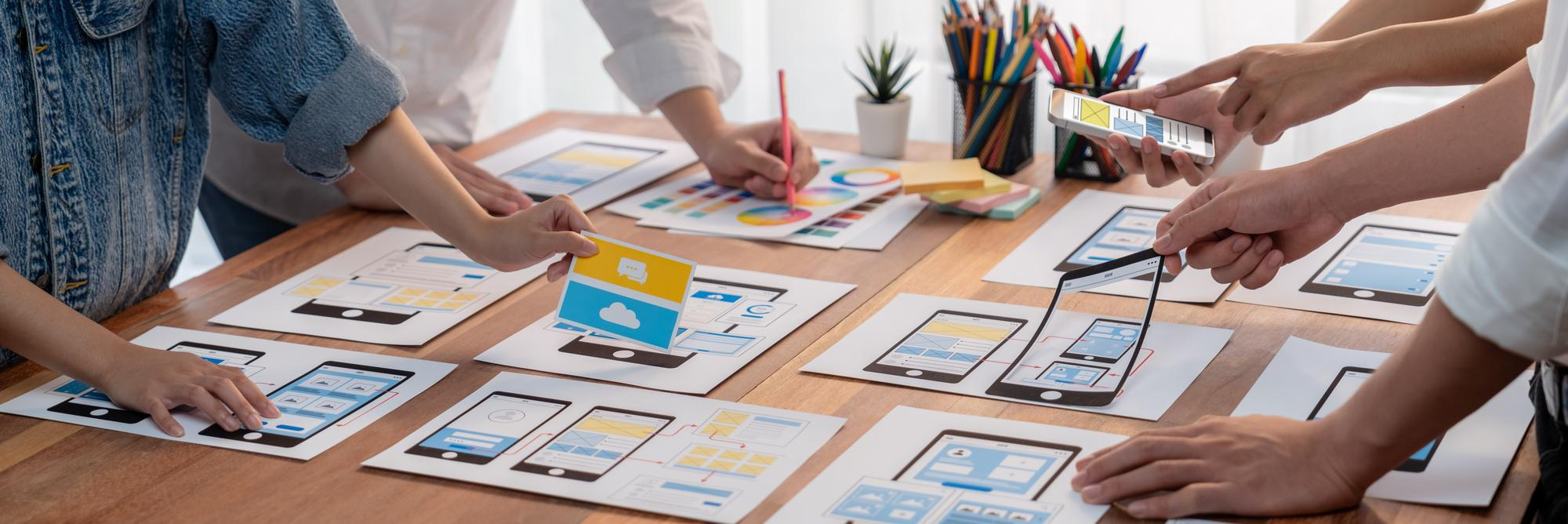
Product design can include discovery, user research, workflows, information architecture, prototypes, interface design, design systems and collaboration with engineering teams. The exact scope depends on whether the product is new, being improved or being redesigned.
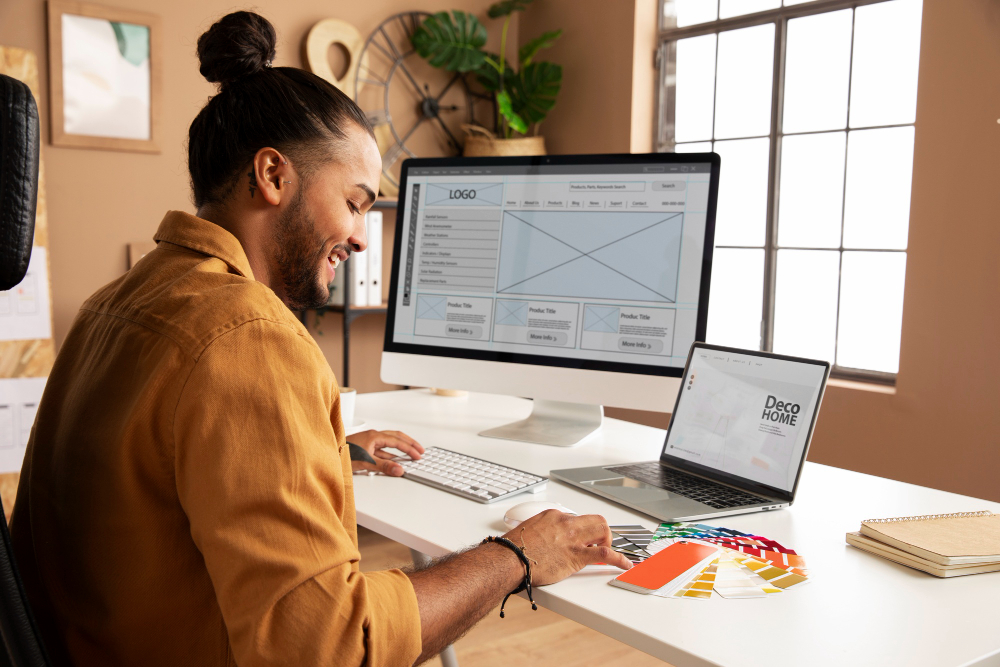
UI design focuses on the interface people interact with. Product design looks at the larger problem: what users need to achieve, how the workflow should work, how the experience supports business goals and how the design can be implemented and evolved over time.
A complete redesign is not always the right answer. We first identify where users struggle, where business outcomes are affected and which experiences create the most friction. Sometimes a focused improvement produces more value than replacing the entire interface.
Design and engineering work best when decisions are shared early. Designers need to understand technical constraints, while engineers need context behind user and product decisions. This collaboration reduces rework and creates experiences that are both valuable and practical to build.
Yes. Enterprise products often involve complex workflows, permissions, data-heavy screens and multiple user roles. The challenge is not removing complexity but making important tasks easier to understand and complete for the people using the system.
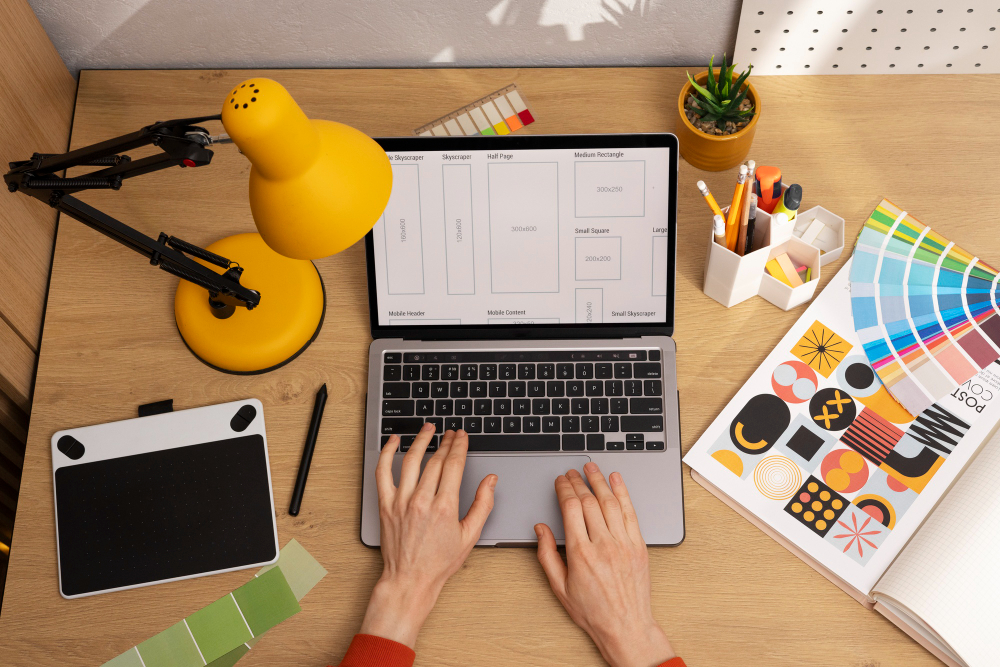
As products grow, inconsistent interfaces slow teams down and create uneven user experiences. A design system provides reusable patterns, components and guidelines that help product and engineering teams build consistently while reducing repeated design decisions.
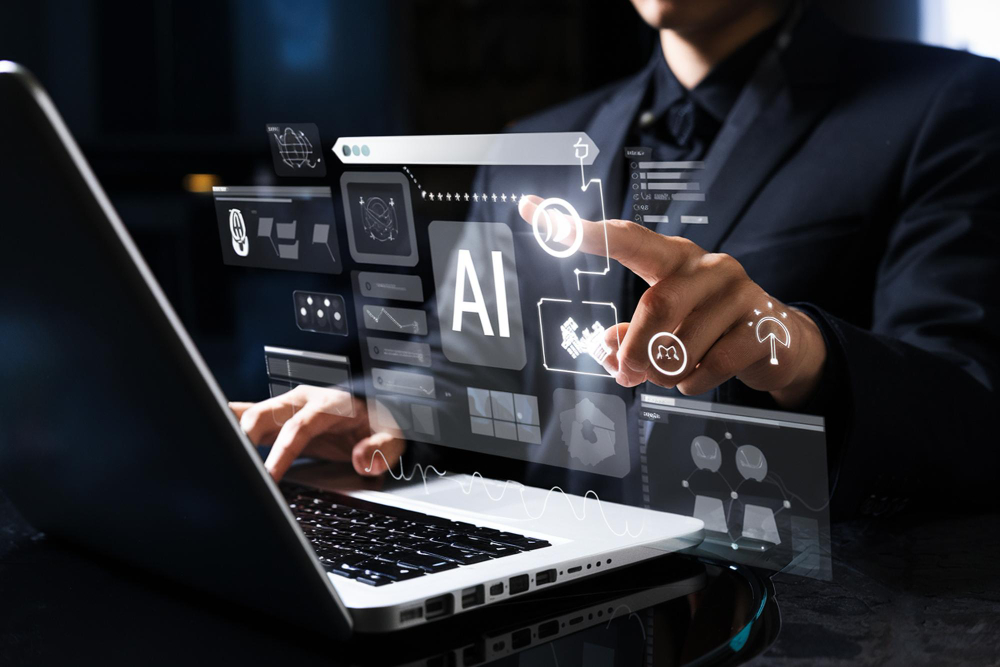
AI introduces new interaction patterns because users are working with systems that can generate, predict or recommend. Good AI product design needs to consider trust, transparency, user control, uncertainty and how people verify or correct AI-generated results.
Yes. Existing products provide valuable information through user behaviour, support issues and business data. We can review current experiences, identify friction points and prioritise improvements that create measurable value without assuming everything needs to be redesigned.
Designers and engineers work together so experiences are practical to build and improve.
Products delivered
Years in business
Countries reached
Team members
Four phases from research to a built interface.
Interviews and task analysis with the people who use the system.
You getA research summary and a prioritised problem list
Information architecture and flows, tested as low-fidelity prototypes.
You getFlows and a clickable prototype
Interface design and components, reviewed with the engineers who will build them.
You getDesigns and a component specification
Usability testing against the metrics agreed in phase one.
You getA usability report with measured outcomes

We chose them not just as a vendor but as a true partner to bring our concept to life. Their quality, work ethic, innovation, and client care have exceeded expectations - delivering on time, accommodating time zones, and providing the expertise to turn vision into reality. If you want a partner, not just a vendor, SDTC Digital is the right choice.
.png)
.png)
.png)
.png)
.png)
.png)